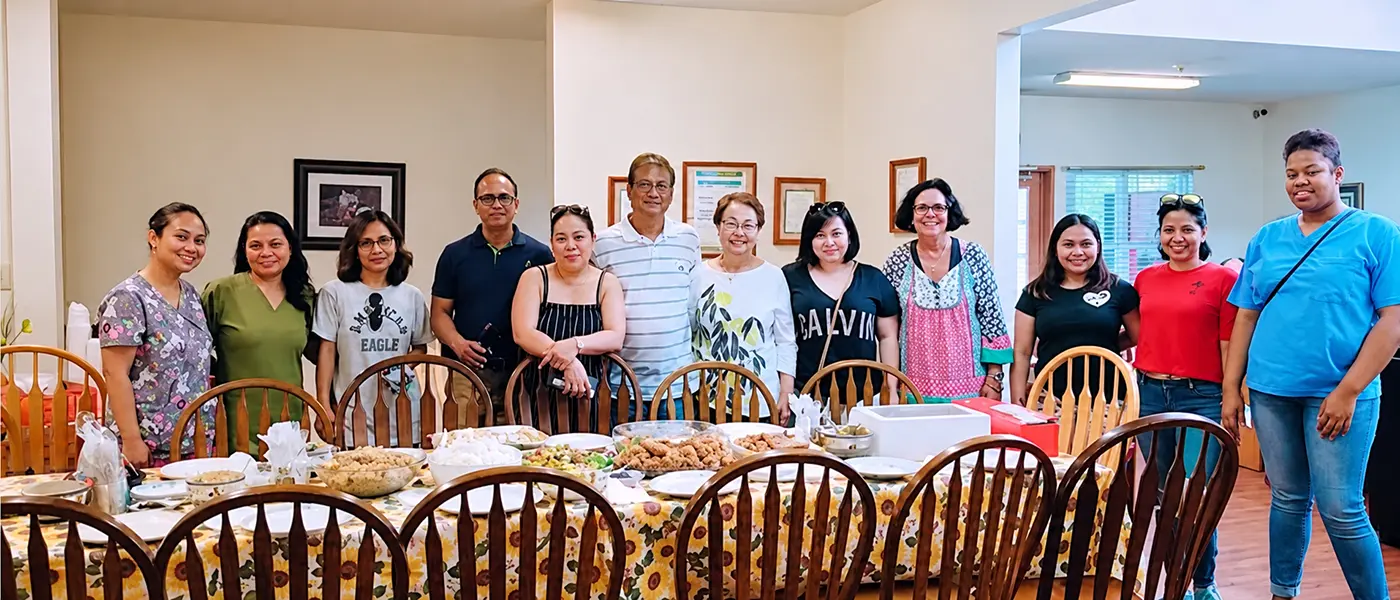
As the years go by, a couple’s daily needs generally start to change. One partner may need a little extra help with everyday tasks, while the other still manages quite well on their own. Even small activities like cooking dinner, keeping track of medications, or cleaning up can feel like a lot. Through all of it, what couples want most doesn’t change: to be together and share a home.
Assisted living for couples makes that possible. Partners can stay side by side while each gets the care that suits them. With the right help in place, daily worries get lighter, and a couple can spend more time just enjoying each other’s company.
Running a home gets stressful when two people need different levels of help. Assisted living takes much of that pressure away as staff assist with personal care, meals, housekeeping, and other basic needs.
Daily life tends to improve:
Less household work: Staff handle cleaning, laundry, and meals. Couples get that time back for each other.
Personalized assistance: Help is matched to the person. Residents get a hand with the hard tasks and manage the rest on their own.
Better daily routines: Meals, activities, and care visits run on a set schedule. Days feel organized, and mornings are far less rushed.
More opportunities to connect: Shared activities help couples to interact with people and make connections.
These perks matter a great deal when you weigh home care against other senior living options for couples.
Many aging partners worry about being separated when their health needs don’t match. One may need help dressing or bathing. The other may only need a hand now and then.
A good community will work with couples to find an arrangement that fits both people. Still, services and room options differ from place to place. Always confirm that a community can look after both partners safely.
Before you choose, think about these points:
Can each partner get the right level of personal assistance?
How does staff respond when one resident suddenly needs more help?
Can the community adjust as care needs change?
Which room arrangements are open to couples?
Can both partners join the activities they love?
Assisted living for couples should protect each person’s well-being. It should also respect the bond between them. Ask how the community deals with differences in mobility, medication, and daily habits.
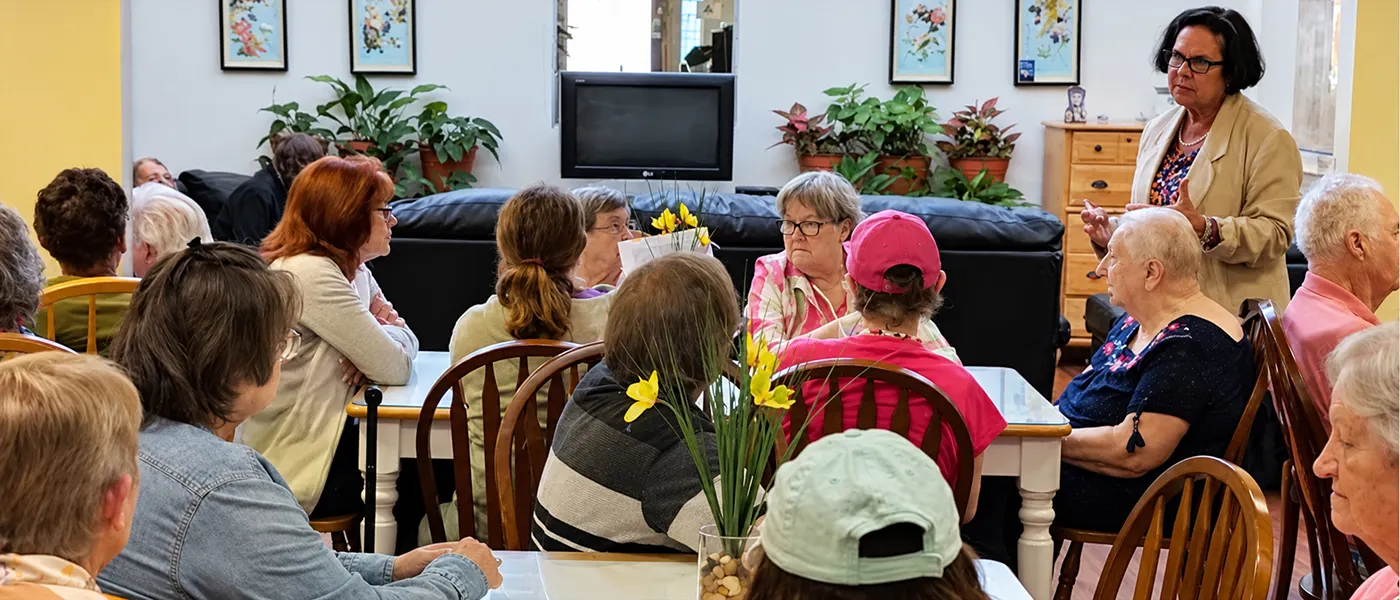
Older adults don’t have to give up control of their lives. Assisted living helps by giving residents the means to live on their own even as their decision-making remains intact.
Maintain Independence
Older adults can run their own days and follow their interests. Friends and social activities help them stay active, too.
Targeted Support
Residents get help only where they need it. Everyday decisions stay in their hands.
Caregiver Relief
Partners can keep their own routines. Neither has to carry full-time caregiving alone.
Independent Living for Seniors
This option caters to active older individuals who can perform all necessary tasks of daily living with or without a personal caregiver.
Personalized Choice
The right choice depends on a person’s health, abilities, and preferences. Future care needs matter too.
A comfortable lifestyle is about more than care. Friendly company, wholesome meals, and activities that mean something can change how a day feels. Couples who spend every hour on household chores rarely get time to relax. An assisted living for couples can give them that time back, and with it, a better balance.
Walking clubs, movie nights, trivia, and group outings keep residents moving and social. Friendships grow naturally. Couples can join in together or chase separate interests.
Meals matter too. Cooking at home becomes a struggle, so nutritious dishes served for them are a real relief. Menus change often, giving plenty of choice. Sitting down together at mealtime also sparks conversation and connection.
Care needs rarely stay the same. A couple who copes well now may need much more help later. Planning early lets families learn their options before a sudden health change forces a rushed choice.
When you look into long-term care for couples, talk about both partners’ current needs. Think about what they might need down the road, too.
Keep these factors in mind:
Health and mobility: Report symptoms related to walking, bathing, dressing, or taking medications.
Care availability: Find out which services are included and whether extra support can be added.
Costs and coverage: Understand the monthly fees, what they cover, what the add-on costs are, and how it can be paid.
Living arrangements: Check whether both partners can live together, and ask what occurs if one needs additional care.
Future planning: Ask how the community responds when a resident’s health or care needs changes.
Families comparing senior living options for couples should ask direct questions. Cover staffing, emergency procedures, activities, and personal care. A visit in person often shows what a website simply cannot.
Some families always consider the best senior care services only during their search. Look closely at the exact services offered. Check the level of personal assistance, and see whether the provider can meet both partners’ needs.
Assisted living for couples brings together companionship, personal help, and independence. Compare care needs, services, costs, and living arrangements carefully. That way, families can choose what truly works for both partners.
At Goose Creek Manor, residents live in a warm, comfortable home where help is never far away. They get the care they need, yet they still run their own days. Meals are nutritious and made with care. Our team supports residents every day, and the activities we plan bring people together. Friendships form, and residents stay busy doing things they enjoy.
If you are looking at assisted living for yourself or someone you love, please reach out. We would gladly talk through your needs and explain our services. Together we can find out whether our community suits your next chapter.
Partners can look for living arrangements that keep them together while each gets care that suits them. What’s available depends on the community and its services.
The options consist of separate living facilities, assisted living facilities (with different levels of help that can be arranged to suit the needs of each individual in the couple), retirement living facilities, and nursing homes for the elderly that offer a range of care services and other related activities.
Sometimes it isn’t enough when regular personal care is needed. Assisted living may fit better once bathing, dressing, or medication help becomes necessary.
Talk about future health needs and compare costs. Review the services offered, and ask whether the community can adapt to changing care needs for both partners.
Staffing level, emergency procedures, safety, medical care, and other procedures should definitely be some of the most critical elements. There must also be an individualized care plan, clear and consistent policies on fees, and a well-planned schedule of regular activities of the day that residents take part in.