Moving into a senior apartment community often gets pictured the wrong way, quiet hallways, small rooms, not much to do all day. The reality for most residents looks pretty different. Many have their own kitchens, private balconies or patios, and a built-in circle of neighbors they see daily, whether it’s for morning coffee or a walk around the grounds. For older adults choosing senior living apartments, it usually is not about giving something up. It’s about gaining more freedom, without the upkeep and stress that come with maintaining a full house. In this Goose Creek Manor blog, we will discuss how apartments for seniors promote independence and well-being.
A regular rental building and a senior living apartment community aren’t really the same thing, even though they look similar from the outside. The layout, the staff, and even the little details like grab bars in bathrooms or wider doorways are planned around the way older adults actually live day to day.
Build Around Real Needs, Not Guesswork
Things like single-floor living, emergency call buttons, handrails, and shorter walks to laundry rooms sound small. But if you have ever watched a parent struggle with stairs, you know they are not small at all. These features exist because someone sat down and thought about what makes daily life easier for people in their 60s, 70s, and beyond.
Independence Without Isolation
One of the biggest benefits of apartments for seniors is that they allow older adults to stay independent while avoiding isolation. Many people assume these communities mean giving up independence, but that’s usually the opposite. Residents still cook their own meals, manage their own schedules, and come and go as they please. What changes is the safety net underneath all of that.
Some of the everyday perks residents mention most often:
A lot of families choose apartments for seniors not because a parent can’t manage alone, but because everyone sleeps a little easier knowing help is close if something goes wrong.
Cost is usually the first question people ask, and it’s a fair one. Not every senior has a big retirement fund, and that’s exactly why low-income apartments for seniors exist in the first place. These communities are subsidized through federal or state housing programs, which brings rent down to a level tied to what a resident actually earns. Apartments based on income typically calculate rent as a percentage of monthly earnings, often somewhere around 30 percent. So someone living mostly on social security pays a very different amount than someone with a pension on top of it. It’s not a one-size-fits-all price tag, which is part of why these programs help so many people stay independent without draining their savings.
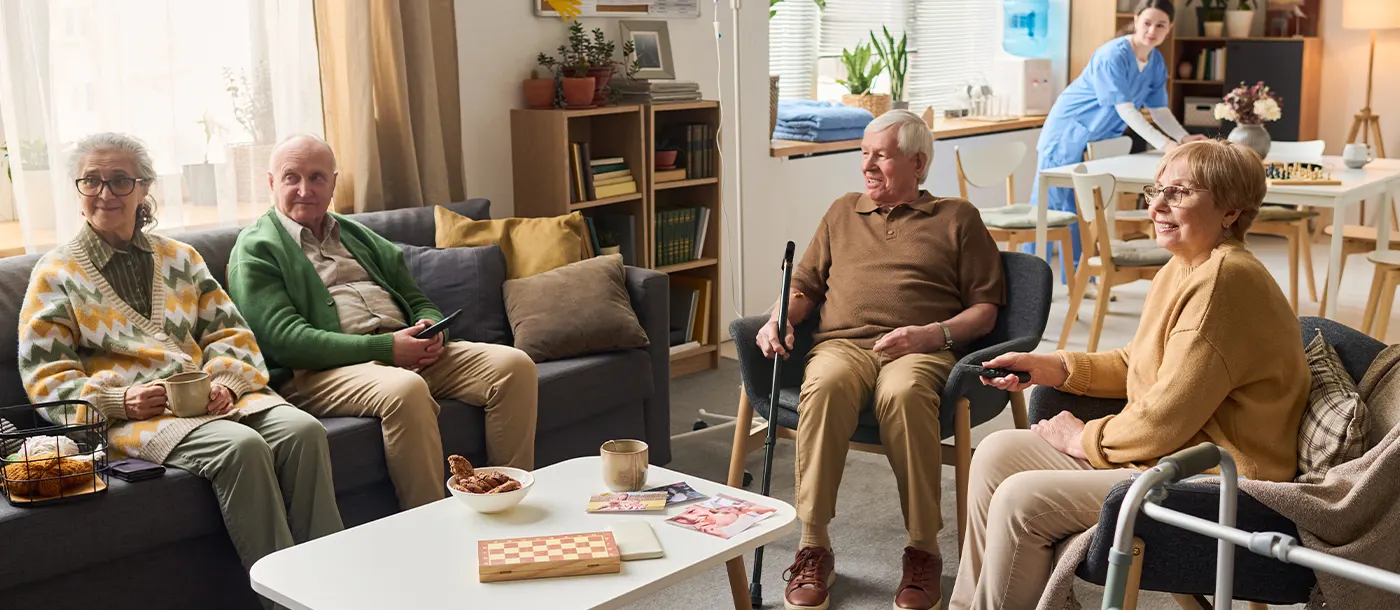
Senior independent living apartments are built for people who don’t need daily medical care but still want a simpler, more supported way of living. That’s an important distinction, because it separates this option from assisted living or nursing care. The goal here is longevity of independence, not a step toward giving it up. Residents keep control over their routines, their meals, their guests, their schedules. What they gain is a setup that quietly removes friction: fewer repairs to worry about, fewer stairs to climb, fewer empty afternoons with nothing planned.
Benefits of Senior Citizen Apartments
Well-being is not only physical, loneliness quietly affects a huge number of older adults, and it can be just as harmful as a physical health issue. Senior citizen apartments tend to fight this in a very simple way: by putting people around other people. Shared spaces like dining halls, small gardens, or activity rooms give residents a reason to leave their unit and talk to someone. Over time, that turns into real friendships, not just polite hallway nods. Many communities also organize:
Choosing where to spend your later years is a big decision, and it deserves more thought than just picking the nearest building. Senior living apartments work well because they combine safety, community, and genuine independence, instead of forcing older adults to trade one for the other. Whether it’s an affordable income-based option or a private community with more amenities, the right fit comes down to matching the setup to what someone actually needs day to day. Visiting a few communities in person, talking to current residents, and asking specific questions about costs and services is still the best way to figure out what fits. Senior apartments are great for independence, but at Goose Creek Manor, you get something more. It’s a place where residents feel truly cared for, with the comfort of home, activities they actuall
Is it hard to qualify for income-based senior housing?
It depends a lot on the specific building and the state you are in, but most programs just ask for proof of income and age, usually 55 or 62 and up. Some places move fast, others have waiting lists that stretch a year or more, so it’s smart to apply to a few at once instead of waiting on just one.
Can family or friends visit whenever they want?
Yes, in almost every case. These are independent living communities, not medical facilities, so there are no strict visiting hours or check-in process most of the time. A few places just ask guests to sign in at the front desk for security reasons.
What happens if a resident’s health needs change over time?
Most communities have a conversation with the resident and their family when daily needs begin to increase. Sometimes a caregiver can be brought in part-time. Other times, a move to assisted living makes more sense, and staff usually help coordinate that transition rather than leaving families to figure it out alone.
How is this different from a retirement home?
The phrase retirement home often makes people think of nursing care, but that’s not accurate here. These apartments are for people who are fully capable of living on their own, just in a setup that’s more convenient and social.
Is it worth touring more than one community before deciding?
Definitely, photos online rarely capture the real feel of a place, things like noise level, how friendly the staff seems, or whether current residents actually look happy. A short visit, tells you more than a brochure ever will.