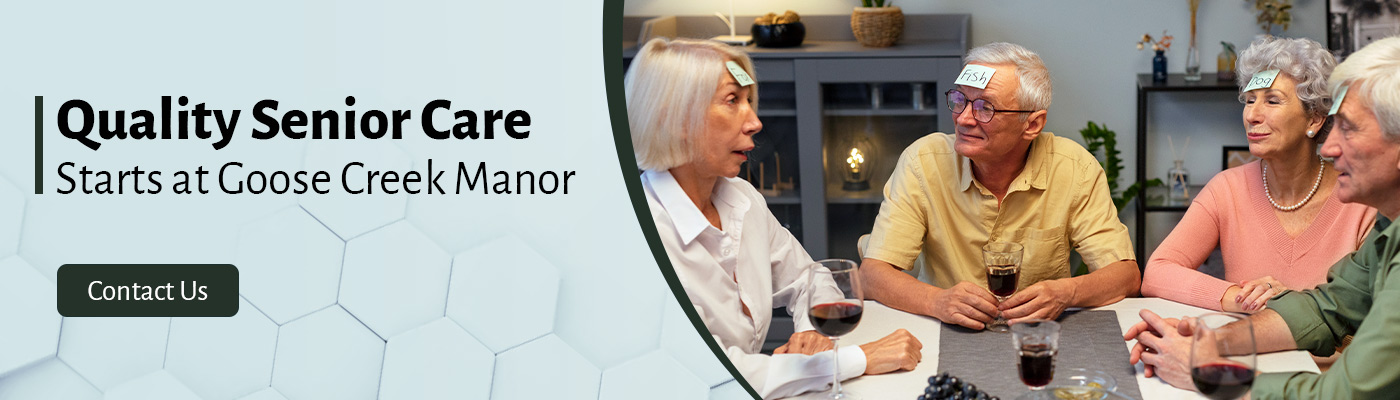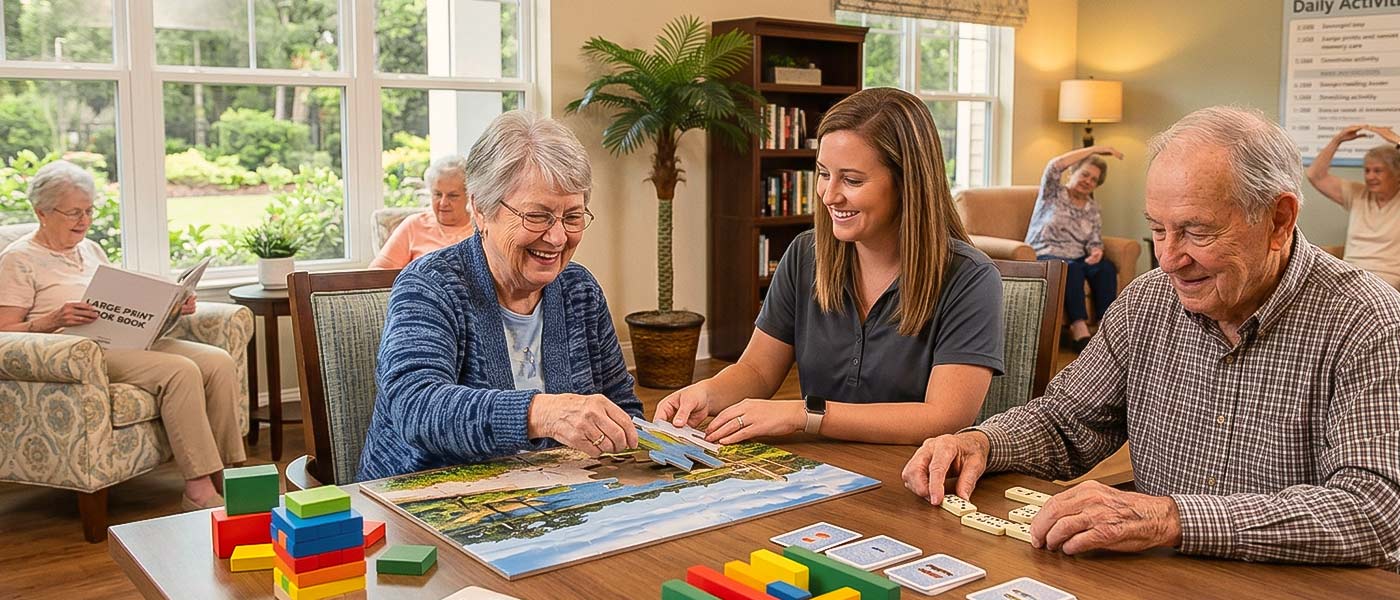
Games can be one of the best activities for seniors with dementia. It is very difficult to spend a day with cognitive decline. Games cannot cure dementia, but they can help stimulate the brain and improve motor skills. Researchers believe that regular activities can have a positive impact on the cognitive activity of older adults. In this blog post, we will discuss different fun and engaging games for dementia patients and how these activities promote better brain health for seniors living in memory care facilities in Goose Creek, South Carolina.
Boost Problem-Solving Skills
Brain activities improve the cognitive abilities of seniors and encourage the brain to complete that particular task, whether it is a puzzle or any other board game. There are many targeted, specific games, such as pattern recognition games, which boost memory and focus on solving a problem.
Stimulate Memory Recall
Many memory games help seniors to recall their memories. One of the best games is picture matching, which triggers the long-term memory of the seniors. The memory-based games ultimately bring happiness and a smile to senior citizens’ faces.
Promote Social Interaction
There are numerous activities for seniors with dementia that are usually played in a group, which promotes social interaction. Moreover, completing a game in a group gives a sense of accomplishment. Playing games in groups also reduces the feeling of isolation and anxiety.
Improve Motor Skills
Hand-eye coordination is very crucial for doing routine tasks. One of the best games is jigsaw puzzles. This game includes keeping the pieces of puzzles at the right position. Thus, it improves hand-eye coordination in older adults with dementia.
Reduce Anxiety
Fun activities distract seniors from stressful situations. Choosing games for people with dementia that are simple and easy reduces confusion and anxiety. Apart from games, there are many activities, including listening to music or doing arts and crafts help in keeping the brain active.
Card Games
In the early stages of dementia, brain games are really important for mental wellness. There are many variety in card games, such as matching the cards. This can be played alone or in pairs. This improves the concentration and memory of senior citizens.
Board Games
When it comes to board games, it should be simple. There should be no confusion while playing. Bingo is one of the best board games for senior citizens. This calming activity improves mood and is one of the best brain exercises for older adults.
Word Puzzles
Word puzzles are engaging activities for seniors with dementia. With puzzle games, seniors can pay more focus on language, thus improving language skills. Word puzzles improve cognitive activity by increasing focus and strengthening memory.
Jigsaw Puzzles
Jigsaw puzzles help in improving cognitive skills and overall mental wellness. Puzzles are a great brain-stimulating activity that focuses on problem-solving. Using big pieces in puzzles is much more beneficial as it improves fine motor skills, too.
Reminiscence Games
Reminiscence games involve recalling memories through photographs or music and sharing them with other residents. This promotes meaningful conversation among residents and improves overall emotional well-being.
Music
Music has a bigger role in remembering memories. Listening to music from the good old times can trigger the brain and help improve mood. Music can be enjoyed as a group activity.
Reading
Reading is one of the best habits that a person can develop. Speaking the words loudly improves the verbal activities. Seniors can write something and can loudly read in front of others.
Art & Craft
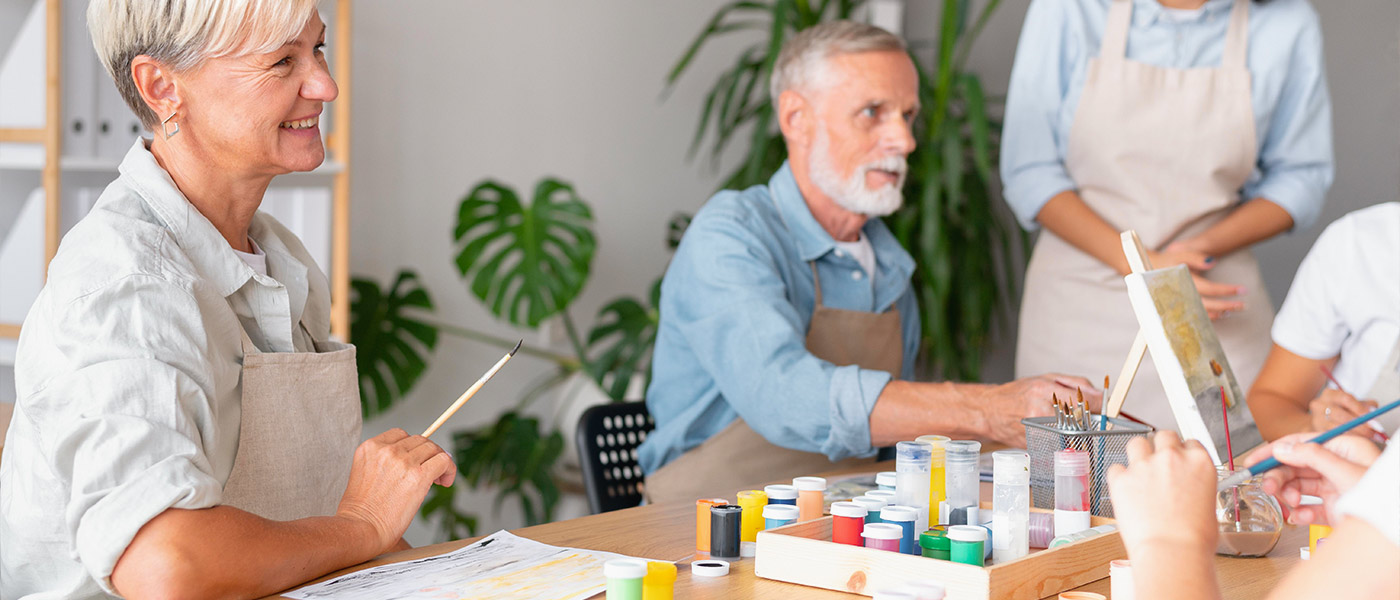
Art and craft activity can be one of the amazing games for people with dementia. You can make any painting or craft as per your imagination. Art and craft also reduces stress in seniors.
Physical Activity
Whether it is a morning walk or light exercise at assisted living facilities, physical activities can help in maintaining mental wellness by increasing the blood flow to the brain.
At Goose Creek Manor, our caregivers encourage seniors to stay active, whether it is participating in activities for dementia patients or participating in any other discussion. This promotes social interaction and boosts confidence. We are the best long-term care facilities for dementia patients in Goose Creek, South Carolina. Our main goal is to keep senior citizens both mentally and physically active by focusing on stimulating the brain through different brain activities. Every senior deserves a life full of happiness, and we try to bring a smile to every senior’s face.
For mental wellness, seniors need to get engaged in fun brain activities that reduce cognitive decline. It is important to create a meaningful daily experience through activities for seniors with dementia. At Goose Creek Manor, we recognize the value of creating a warm and welcoming atmosphere for seniors to engage in activities that encourage comfort and overall well-being. With nurturing support, seniors can still enjoy the simple pleasures of daily living, moments of happiness, confidence, and meaningful connections.
Why are games important for seniors with dementia?
Games play a crucial role in keeping senior citizens mentally active. Such games not only reduce anxiety but also improve social interaction and result in overall well-being.
Can games improve memory in dementia patients?
Regular brain exercises can help to improve cognitive function, concentration, and mental stimulation in older people.
How does social interaction help seniors with dementia?
Engaging in social activities promotes communication, self-assurance, and emotional connection while lowering feelings of loneliness and isolation.
When selecting games for people with dementia, what factors should caregivers take into account?
Activities should be easy, fun, stress-free, and appropriate for the senior’s comfort level and mental capacity.
Are group games preferable to individual activities for seniors with dementia?
Whether it is a group activity or an individual one, both are beneficial. Group activities give a chance for social interaction, whereas individual activities promote relaxation.