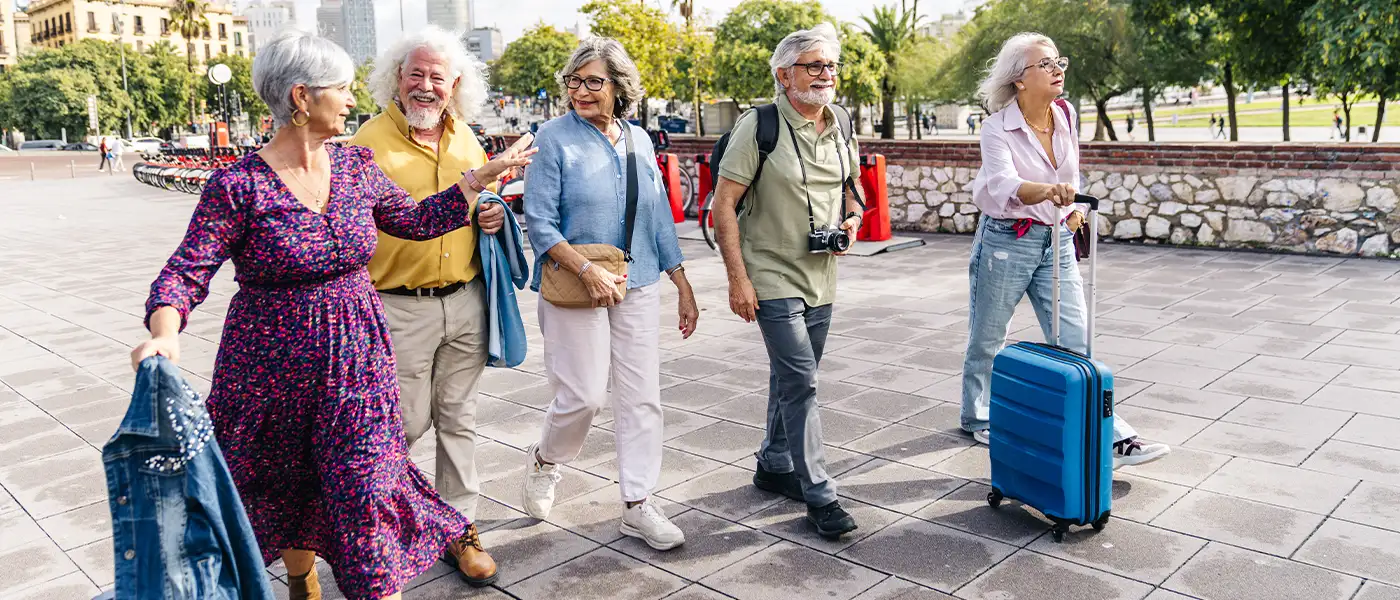
A holiday gives older people the chance to spend quality time with their families, returning to a place they love or discovering a whole new one. It may help them recall pleasant moments and create more. The experience often relies more on comfortable planning than on the number of places visited.
Before making holiday plans, you should consider many aspects. Selecting the right destination, making transport arrangements, packing necessary medications, and reserving a comfortable room can greatly help alleviate stress. The following are some useful travel tips for senior citizens that they should consider before going on vacation.
A trip may have greater chances of more walking, longer waiting times, and changes in the weather compared to a usual day. Proper planning reduces such obstacles. One should keep in mind mobility, medications required, favorite activities, dietary requirements, and activity levels that suit them before any booking.
One should also think about destination-related planning. Walking distance, means of transport, weather conditions, hotel amenities, and access to healthcare need consideration. It is always fun when an itinerary is simple instead of one that is very busy. Good senior travel planning starts with understanding the traveler’s needs.

A good choice for a place would be one where navigation is easy, and it also has good facilities like hotels, restaurants, and means of transport. Another useful thing is to check the weather and see whether there is a pharmacy or a clinic nearby. This would certainly make senior friendly travel easier and more comfortable.
There is no need to do everything in one day. You should select 1-2 activities and allow yourself some rest between them. The rest period could add much pleasure to the vacation.
If the destination has an unfamiliar climate and the duration of the trip is considerable, it could be useful to consult a medical professional in advance. Find out the preventive measures that you should take and ensure that all your medication is with you.
You should pack all your regular medicines in your hand luggage. The supply should last throughout your entire trip. It is wise to have additional medicines on hand in case of delays.
When choosing a hotel, check whether it has an elevator and whether the room includes features you may need, such as grab bars, an accessible bathroom, and a comfortable shower.
Ensure that you get ample time to reach the mode of transportation and convey to the driver your requirements, if any. You can try and be a bit earlier than expected.
Select the right type of accommodation, which should have elevators, grab rails, and an easily accessible washroom. Choosing a place, which is near to restaurants, public transport, and other tourist attractions, could also mean that you do not have to walk much.
Have all necessary documents with you, such as your identification, ticket numbers, insurance papers, and contact numbers, in case of emergencies.
Carry a water bottle, keep yourself hydrated, and take rest whenever you feel exhausted. Also, carry comfortable attire and footwear.
Before you leave, find out the local emergency number, and where hospitals, clinics and pharmacies are. Save your emergency contacts in your phone and have a written copy in your wallet.
Tell any family member or trusted person about your travel schedule, place of accommodation, mode of transport used, etc. If you’re going to be away for a while, make sure you have a way to check in regularly and keep your phone charged.
Stay aware of your surroundings, especially in crowded airports, train stations, tourist areas, or unfamiliar territory. Use licensed transportation. Do not accept rides from people you do not know. Do not bring more money than required for the duration of your stay. Store all cards and ID securely. Do not use public Wi-Fi while transferring money online. Find out the weather forecast before going out. Have plenty of time at the airport or station so that you will not feel rushed. These best travel safety tips for seniors are basic precautions that help decrease potential risks when traveling.
Items Seniors Should Pack:
Always have your essentials in a place where you can easily access them. Avoid carrying too much luggage, as it will make your travel even harder.
When possible, take the shortest possible route to avoid any transfers, waiting, and extra walking. It is always better to stay near the places where you want to go. Take some time to rest every day. For longer vacations, include a day off between days packed with activities. Good senior travel planning is not about doing as much as possible. It is about leaving enough time to enjoy each experience. If the activity is making you feel tired, you should opt for an easier one. Taking time to eat, talk, rest, and enjoy your surroundings can make the journey more pleasant.
If necessary, ask for assistance with airport transit prior to traveling. Put all medications, identification, travel papers and other important things in your carry on luggage. Get to the airport before your flight, allowing yourself plenty of time to get through all security checks without rushing.
Take regular breaks during the trip and choose a comfortable seating position. If you are the driver, ensure that you have identified rest places before embarking on your journey so as not to travel for too long.
When making arrangements before traveling on board, inquire whether there are wheelchair-accessible toilets, elevators, medical care facilities, a suitable cabin location, and suitable excursions. It is important to know the walking distance for each activity.
Travel tips for senior citizens should be based on comfort, convenience, mobility and health needs. With the right transport and accommodation and plenty of breaks and information, your holiday will be enjoyable. Goose Creek Manor promotes the well-being of its residents by providing opportunities for social connection, activities and an active lifestyle.
Create a schedule so you have plenty of time to relax. Think about comfort, mobility, medicines, transport, accommodations, and contingency plans.
Inform your family about your travel plans, protect your valuable belongings, use safe transportation, keep necessary contacts with you, and know the weather conditions and the location of medical assistance.
Seniors should always consider accessibility, weather, transportation, health care, walking distances, accommodation facilities, and activities suitable to their comfort.
Pack any medications you take, identification, insurance information, comfortable clothing, walking shoes, a cell phone with a charger, and also take water, snacks, and other personal items.
Take a comfortable mode of transportation and ask for help if required. Keep water on hand, take breaks during the trip, dress comfortably, and don’t try to fit too much into the journey.