
Aging is a process during which people’s choices have a significant impact on how people feel and take part in various activities. It is an important part of human life. Healthy Aging Month is celebrated every September and reminds older adults to focus on healthy routines that support overall well-being and help them live independently.
Being healthy is not just about being physically active. Emotional health and communication with other people are also important for people who are older. Meeting with family members, engaging in hobbies, communicating with friends, having proper meals, and getting enough rest will allow people to lead a balanced lifestyle.
In case you are trying to find something that could be done to support healthy aging for seniors, it is necessary to consider the following components of such a lifestyle.
Healthy Aging Month is celebrated each September and focuses on good practices and the positive aspects of aging. It encourages seniors to remain engaged in their health practices, be as active as they can be, and continue participating in activities that are purposeful and enjoyable.
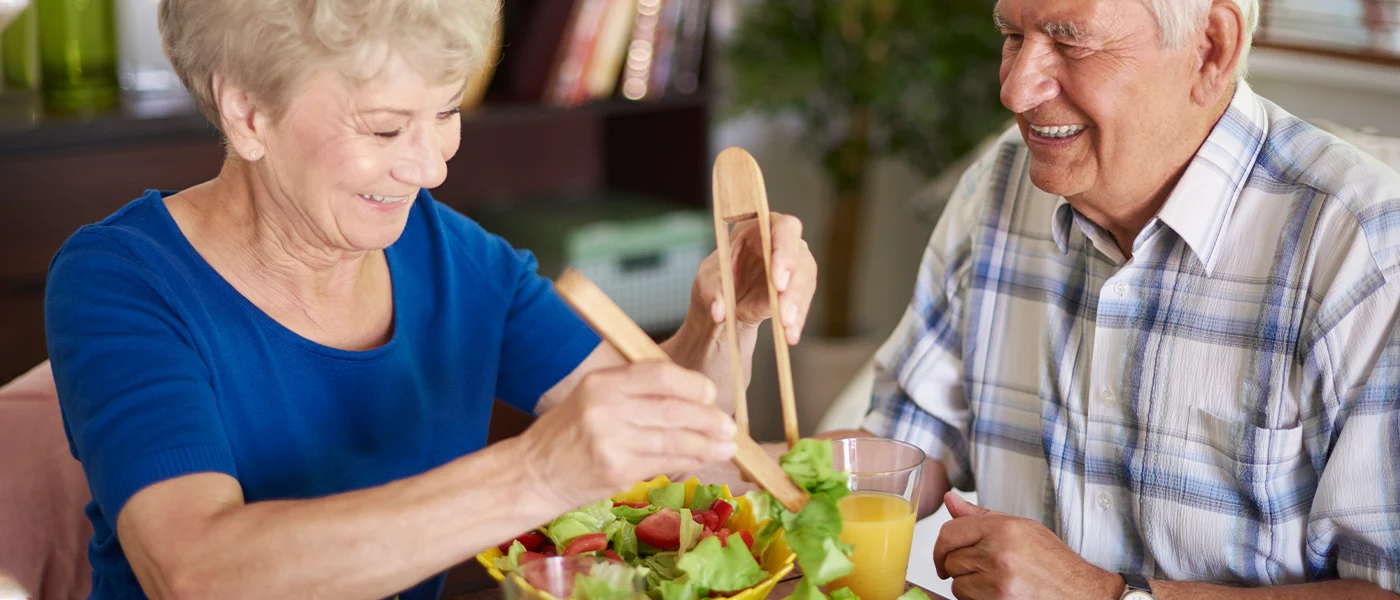
Good practices may help with maintaining strength, flexibility, energy, and confidence. Activity helps with maintaining physical functions, and healthy eating provides the body with necessary nutrients. It is also important to think about preventive measures since regular visits to the doctor and dental, eye, and ear check-ups might reveal any problems at an early stage. They also become a crucial aspect of senior health and wellness, as they help seniors to remain physically and socially active.
Exercises such as walking, stretching, chair exercises, balancing, and gardening, among others, will keep the body active. According to the National Institute on Aging, there is a need to have a combination of aerobic, muscle-strengthening, and balance exercises, based on individual abilities and needs.
Nutritional practices become important when there is a problem with eating or when a person’s dietary needs change. Healthy meals will include vegetables, fruits, whole grains, low-fat proteins, dairy or its alternatives, and healthy oils. Protein is good for building muscle, and fiber is good for the digestive system. Water should be offered unless medical advice restricts fluid intake.
Health care and dental care appointments, check-ups, vaccinations, and screening should continue. It helps to have a list of medications, appointments, questions, and symptoms. Assistance from family members can be sought during appointments and visits.
Activities like reading, listening to music, painting, gardening, praying, doing crafts, and relaxing can provide structure and purpose for the day. If sadness, anxiety, isolation, or other such changes persist, seeking help may be necessary.
Maintaining contact with one’s family, friends, and the community may support seniors. Activities like walking in groups, pursuing hobbies, and participating in social functions may encourage communication.
A regular sleep and waking time may bring about a more calming bedtime routine. A comfortable bedroom, less stimulating activities in the evening, and a relaxing bedtime routine might help with a good sleep. Chronic insomnia must not be considered an ordinary part of aging and should be discussed with a healthcare provider.
Puzzles, cards, crafts, reading books, acquiring new skills, discussion of news, and reminiscing are all stimulating brain activities. These activities may be considered a part of the senior wellness plan since they involve interest, mental activity, and social interaction.
The meals should be healthy and simple. The protein sources include eggs, fish, chicken, beans, lentils, and yogurt, whereas vegetables, fruits, whole grains, and legumes are the sources of fiber. Calcium, vitamin D, and sufficient fluids are also beneficial for health.
Following healthy eating habits for seniors can make meal planning easier. Well-balanced meals, healthy snacks, and proper texture of food can serve individual needs. Older adults with special dietary requirements need to seek medical advice.
A simple routine can add structure to the day without making it rigid:
Family involvement is best when it promotes but doesn’t deprive seniors of their independence. Family members may assist with planning meals, providing transportation, taking walks, or participating in hobbies while letting seniors make suitable daily decisions.
It is essential for families to watch for any mobility, emotional state, appetite, sleeping habits, memory loss, or other changes and seek professional assistance if changes persist, rather than thinking they are part of the aging process.
Some simple activities that will make wellness fun include:
Goose Creek Manor takes a community approach to assisted living and offers various activities that promote engagement. The facilities information mentions a registered dietitian and three meals a day.
A healthy aging process is the result of healthy practices that are done consistently. Physical activity, nutrition, prevention, rest, mental exercises, and socialization are just some examples of things that can contribute to good health. Healthy Aging Month is an opportunity to start such a practice, but the importance of doing so remains consistent throughout the year. Seniors and family members can begin with simple solutions and look for more help if required.
This month is observed every year in September, as it promotes a healthy lifestyle, independence, wellness, and active involvement in one’s own health.
It draws attention to useful practices that can help lead a high-quality life and be healthy.
Healthy habits involve physical activity, proper nutrition, preventive healthcare, socialization, and mental stimulation.
The answer lies in taking small steps to improve one’s health, for example, doing exercises every day, having nutritious meals, visiting doctors regularly, engaging in enjoyable activities, getting enough sleep, and socializing.
Eating a varied diet rich in nutrients like vegetables, fruits, whole grains, and protein foods.