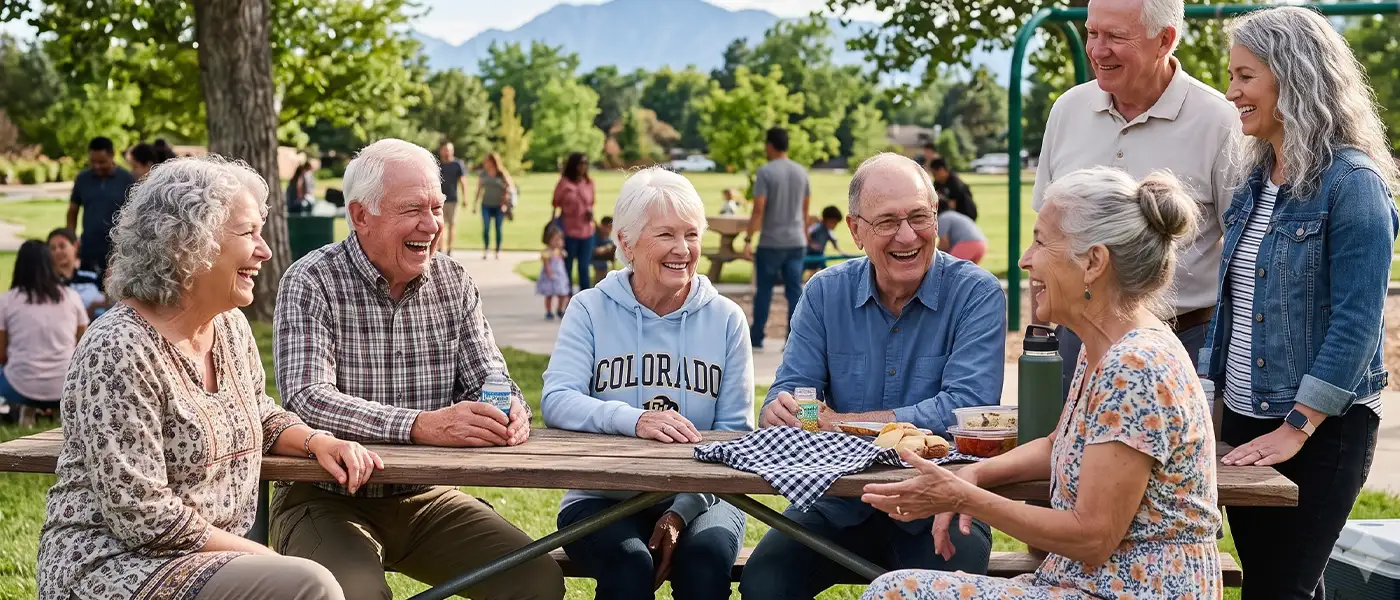
Nowadays, everybody is busy with their work and daily chores. Many seniors end up spending long hours alone at home with little company. After some time, they may start to feel lonely because there are very few people to talk to or spend time with. They can feel bored with their daily routines and the things they used to enjoy. This can impact their physical and mental health. That’s why social activities for seniors are important. They help seniors to stay active, make new friends, and have a happier life. Social activities are not only for passing the time. They improve their physical and mental health and help them enjoy a better quality of life.
In this Goose Creek Manor blog, you will learn the benefits of social activities for seniors, the best activities to try, and simple ways to help them stay socially connected.
Doctors and researchers have been saying this for years, but it’s worth repeating, because most families still underestimate it: staying connected to people is one of the strongest predictors of healthy aging. The benefits of social activities for seniors go far beyond having a good time.
Better Mental Health
Loneliness and depression often go hand in hand in older adults, and one feeds the other. When a senior talks with friends regularly, laughs at something silly, or just has someone to share a meal with, their mood tends to lift on its own. It’s not magic. It’s a basic human need; we’re wired to want connection, and that need doesn’t disappear at 70 or 80.
Sharper Thinking
Conversation is a workout for the brain, following a discussion, remembering names, reacting to a joke, playing a game with rules; all of this keeps the mind active. Studies have linked regular social engagement to slower cognitive decline, and some research even ties it to a lower risk of dementia. A brain that’s used stays a little sharper, a little longer.
Physical Health Benefits
This one always surprises people. Seniors who join social activities are often more physically active. Group walks, dance classes, and gardening clubs: these activities get people out of their chairs. And when someone has a friend waiting for them at a class, they’re far more likely to show up.
It’s very easy to assume loneliness is just something sad, but not dangerous. That’s not quite right. Chronic isolation has been linked to higher blood pressure, weaker immune response, and even a higher risk of early death; some studies compare its impact to smoking a pack of cigarettes a day. That’s a bold claim, but it points to something true: humans were not built to spend their days alone. For older adults who have lost a husband or wife, retired from work, or moved away from family, loneliness can grow slowly. Many people do not notice it until it starts affecting their health.
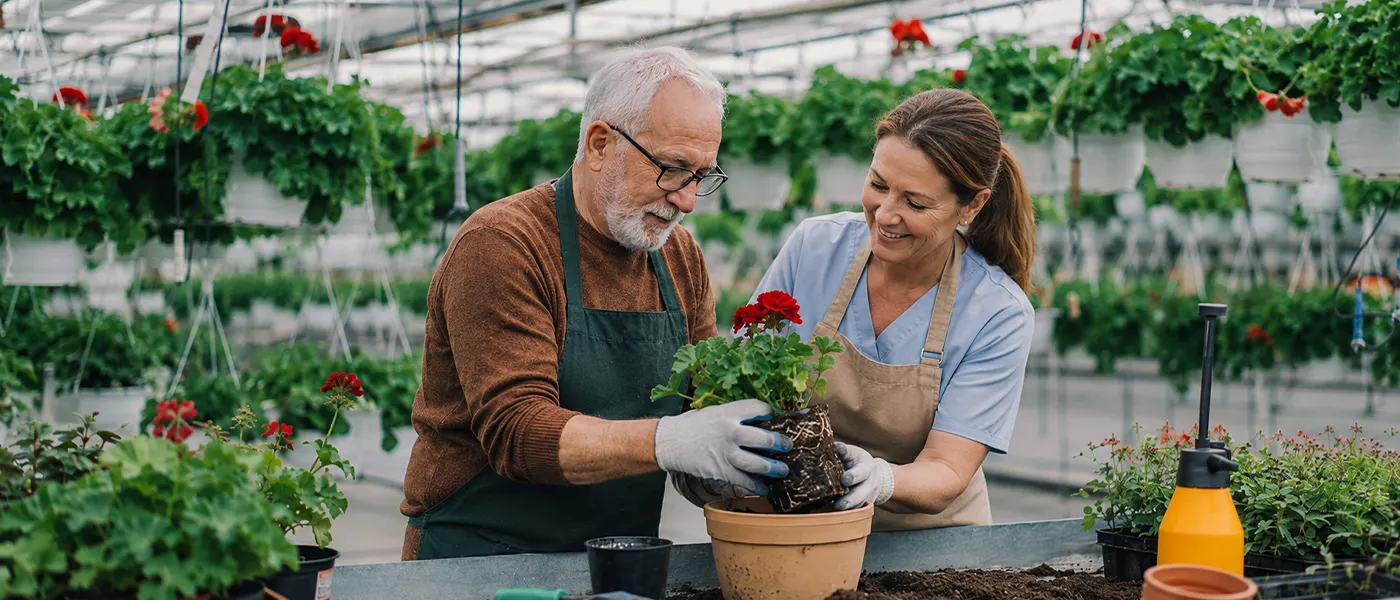
There are many great options to choose from. The best social activities for seniors are those that match a person’s energy, interests, and mobility. However, some activities are enjoyable and suitable for many seniors. Here are a few:
Seniors can enjoy simple group exercises, such as chair yoga, while spending time with friends. Book clubs for elders provide a calm and peaceful place, so they can enjoy quiet activities and have a reason to get together without needing to be the center of attention. Volunteering at places like schools or animal shelters helps seniors feel useful and make friends. And simple things, like a weekly lunch group or a regular game night, often build the deepest friendships because they happen consistently, week after week. The key isn’t finding something impressive. It’s finding something that gets repeated.
Not every senior can drive to the community center, and not every town has one nearby. This is where online social activities for seniors have become genuinely useful, not just a backup plan. Video calls with grandchildren, virtual book clubs, online trivia nights, and even simple group chats can keep someone connected without leaving home.
Some seniors are hesitant about technology at first, and that hesitation is fair. A grandchild or caregiver can teach seniors how to use one app at a time. This makes learning easier. Once someone gets comfortable with a video call, a whole new world of connection opens up, including friends from an old neighborhood or family members living far away.
Family members want to help but are not sure where to start. A good first step is simply asking what the person used to enjoy before life got busy or health got in the way. Someone who loves painting might enjoy an art class. Someone who loves cooking for the family may enjoy joining a group cooking activity.
It also helps to make the first visit easy. Going to a new class or club for the first time removes the awkwardness of walking in alone. After that first step, many seniors find what works for them and keep going with very little help.
Aging brings changes, and some of them are hard to control. But staying connected to other people is something families and seniors can actually shape. Social activities for seniors are not a luxury or a way to keep busy; they protect mood, memory, and even the body itself. Whether it’s a card game down the street or a video call with a grandchild, what matters most is that it happens regularly. Start small, pick something the person actually enjoys, and let consistency do the rest. If you are looking for a caring community where your loved one can enjoy meaningful social activities and build lasting friendships, Goose Creek Manor is here to help. We create a warm, welcoming environment where seniors stay active, connected, and happy every day.
How often should seniors take part in social activities?
There is no strict rule, but aiming for at least two or three social interactions a week tends to make a noticeable difference.
What if a senior refuses to join group activities?
Starting with individual visits or smaller gatherings, rather than large groups, often feels less challenging and builds confidence over time.
How does social activity improve senior health?
Social activities encourage elders to stay physically and mentally active. Goose Creek Manor offers a variety of programs that support brain health, reduce loneliness, improve mood, and promote overall wellness.
Is online activity really effective?
They are not the same, but both can help seniors feel happy, especially those with limited mobility or living far from family.
Can social activities help with memory problems?
Social activities won’t reverse memory loss, but they can help slow decline and improve overall quality of life. Activities involving conversation, games, or storytelling seem to offer the most benefit.